Loading data...

Numerous deposits can be distinguished that produce collector minerals. The most important ones will be discussed below.
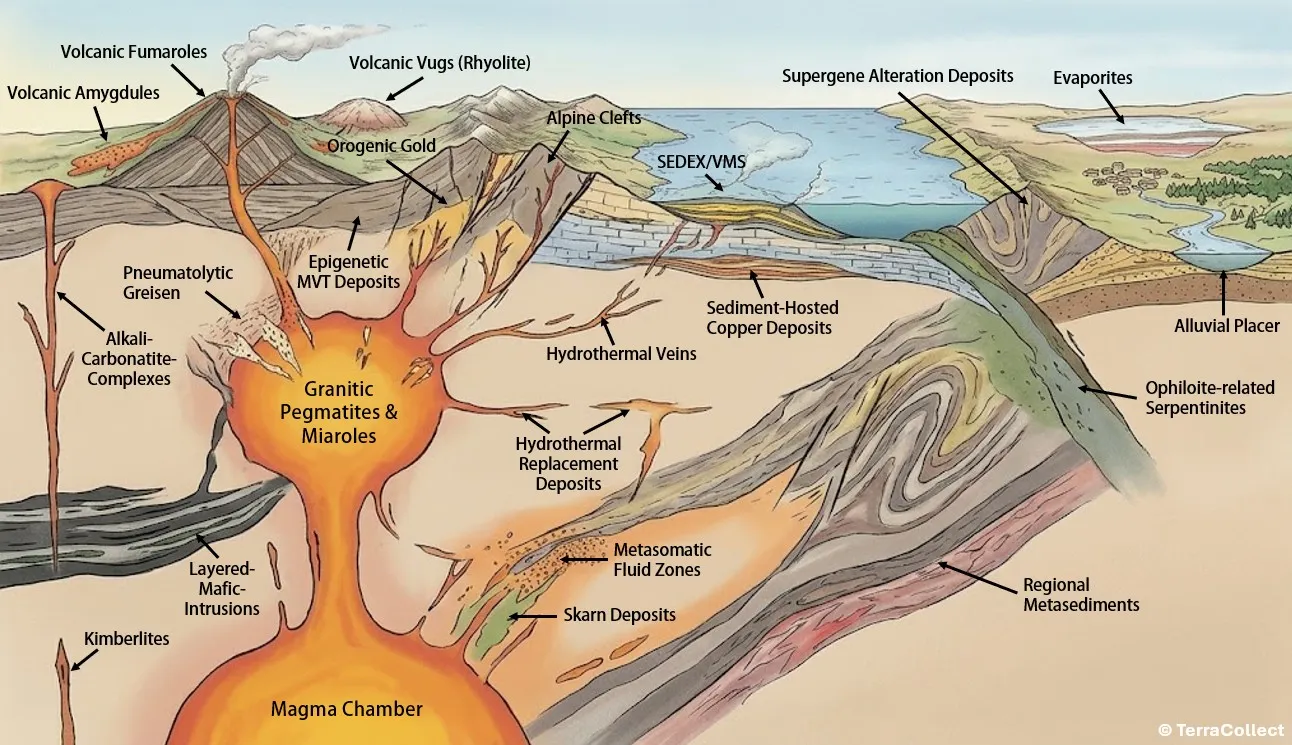
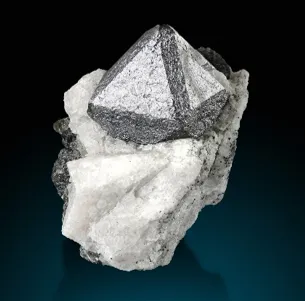
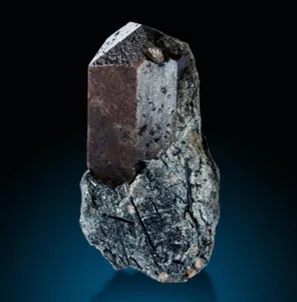
Alkali and carbonatite complexes form through the partial melting of subcontinental lithospheric mantle, which has previously been enriched by metasomatic fluids containing alkalis, carbonates, and incompatible trace elements (REE, HFSE, LILE). The magmas generated in this way preferentially ascend into the Earth's crust in extensional zones such as continental rift valleys (African Rift) or above intracontinental mantle plumes (hotspots). During ascent and cooling, the melt separates due to immiscibility into an alkali-silicate and a carbonatite fraction, from which the characteristic mineral associations arise through subsequent fractional crystallization. In the early magmatic crystallization phase of alkali complexes, the main rock-forming minerals are alkali feldspar, feldspathoids (e.g., nepheline), pyroxenes, amphiboles, and phosphates (apatite). These mainly combine to form syenites and foidolites. Through their crystallization, the incompatible elements (Zr, Nb, Ta, REE) and alkalis in the residual melt are now concentrated, so that in the subsequent pegmatitic phase, many HFSE- and REE-containing alkali silicates (e.g., eudialyte, katapleite), as well as HFSE oxides such as pyrochlore or columbite, crystallize. Finally, in the hydrothermal phase, only hot, aqueous, CO2- and halogen-rich residual solutions circulate through cracks and open cavities. Many late carbonates (e.g., calcite, siderite), REE fluorocarbonates (e.g., bastnäsite), REE phosphates (e.g., monazite), and sulfides (e.g., sphalerite) are formed. Further new minerals can form or recrystallize through subsequent transformation and alteration processes. The typical minerals in carbonatites are the rock-forming carbonates such as calcite, dolomite, and ankerite, which crystallize to form the carbonatites (sövite, alvikite, beforsite), as well as characteristic associated minerals such as apatite, phlogopite, and Fe-Nb-Ta oxides (e.g., magnetite, pyrochlore). As collector minerals, rare earth element (REE) fluorocarbonates (e.g., bastnäsite, synchysite) and REE phosphates (e.g., monazite) are found in fissures and cavities.
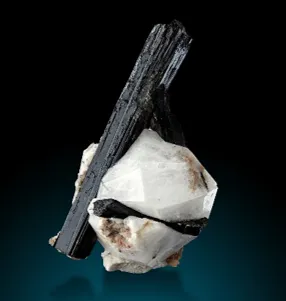
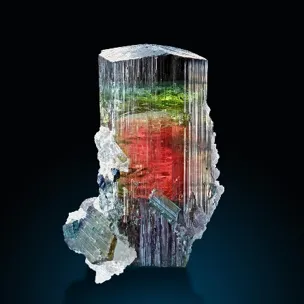
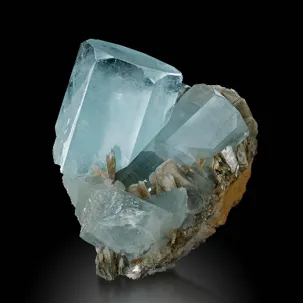
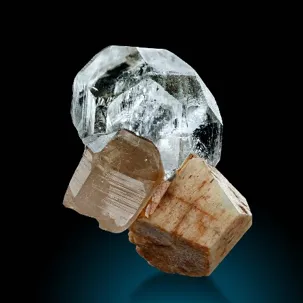
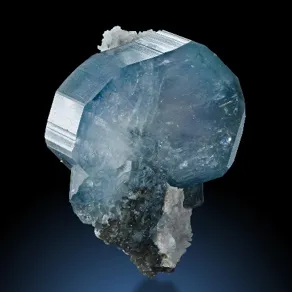
Magmatic intrusions with a granitic composition arise from the partial melting (anatexis) of continental crust. This can involve metasediments in continental collision zones (S-type), older magmatic rocks in subduction zones (I-type), as well as parts of the lower crust in extensional settings (rift zones, hotspots) (A-type). However, due to contamination (AFC processes) with the Earth's crust during magma ascent, a definitive identification of the type is often difficult. These large-scale intrusions accumulate as magma chambers in the middle to upper crust and crystallize there as a typical granitic association of quartz, alkali feldspar (microcline, orthoclase), plagioclase (albite), and mica (muscovite, biotite). During the ascent and slow cooling of these plutons, progressive fractional crystallization leads to the extreme enrichment of incompatible elements (LILE, HFSE, REE) and volatile components (H2O, F, Cl, B) in the remaining residual melt. In the roof regions of the intrusions or in the adjacent country rock, these highly differentiated residual melts crystallize into coarse-grained pegmatites, while in the previously solidified granite, separated gas and fluid bubbles can collect to form druse-like cavities (miaroles). In so-called lithium-cesium-tantalum pegmatites (LCT), which mainly originate from S- and I-type granites, lithium aluminosilicates (e.g., spodumene, petalite), lithium mica (lepidolite), variegated tourmalines (elbaite), cesium silicates (pollucite), beryl (morganite), tantalum-niobium oxides (tantalite, microlite), and cassiterite predominate, while in niobium-yttrium-fluoro-pegmatites (NYF), fluorine-rich phases (topaz, fluorite), beryl (aquamarine, heliodor), zinnwaldite, and complex Y-REE-Nb-Ti oxides and silicates (e.g., columbite, euxenite, fergusonite, gadolinite, allanite) occur. Finally, only hot, aqueous, fluorine- and boron-rich residual solutions circulate in the open druses (pockets) of the pegmatites and in the miarols. These solutions give rise to silicates (quartz, feldspars, beryl, tourmaline, topaz), halides (fluorite), and phosphates (apatite), before further temperature decreases and the formation of late zeolites, carbonates, and secondary phosphates completes the paragenesis. Subsequent hydrothermal alteration and modification of primary phases can also lead to the formation of many additional secondary mineral phases.
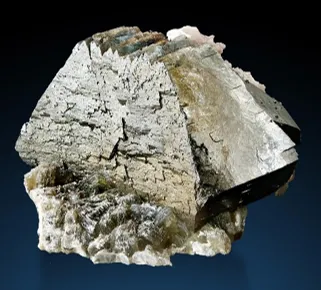
In the late stages of magmatic crystallization, acidic hydrothermal solutions remain, which impregnate the roof region of a crystallized granite pluton as well as the adjacent country rock (exogreisen) and react with its primary rock-forming minerals (pneumatolytic metasomatism). During this so-called senescence process, feldspars and biotite are completely decomposed with the removal of alkalis (Na, K) and calcium and replaced by a paragenesis of quartz and light-colored micas (muscovite, zinnwaldite, lepidolite). The hydrothermal solutions are rich in incompatible metal complexes (Sn, W, Mo, Bi, Li, Be) and volatiles (F, Cl, B, H2O), which crystallize in fissures and cavities to form silicates (quartz, topaz, beryl, schorl), Sn-W-Mo minerals (cassiterite, wolframite, scheelite), halides (fluorite), phosphates (apatite), and sulfides (arsenopyrite, sphalerite, chalcopyrite). Very late, low-temperature formations include carbonates (siderite, calcite), complex secondary minerals, clay minerals, and second generations of sulfides.